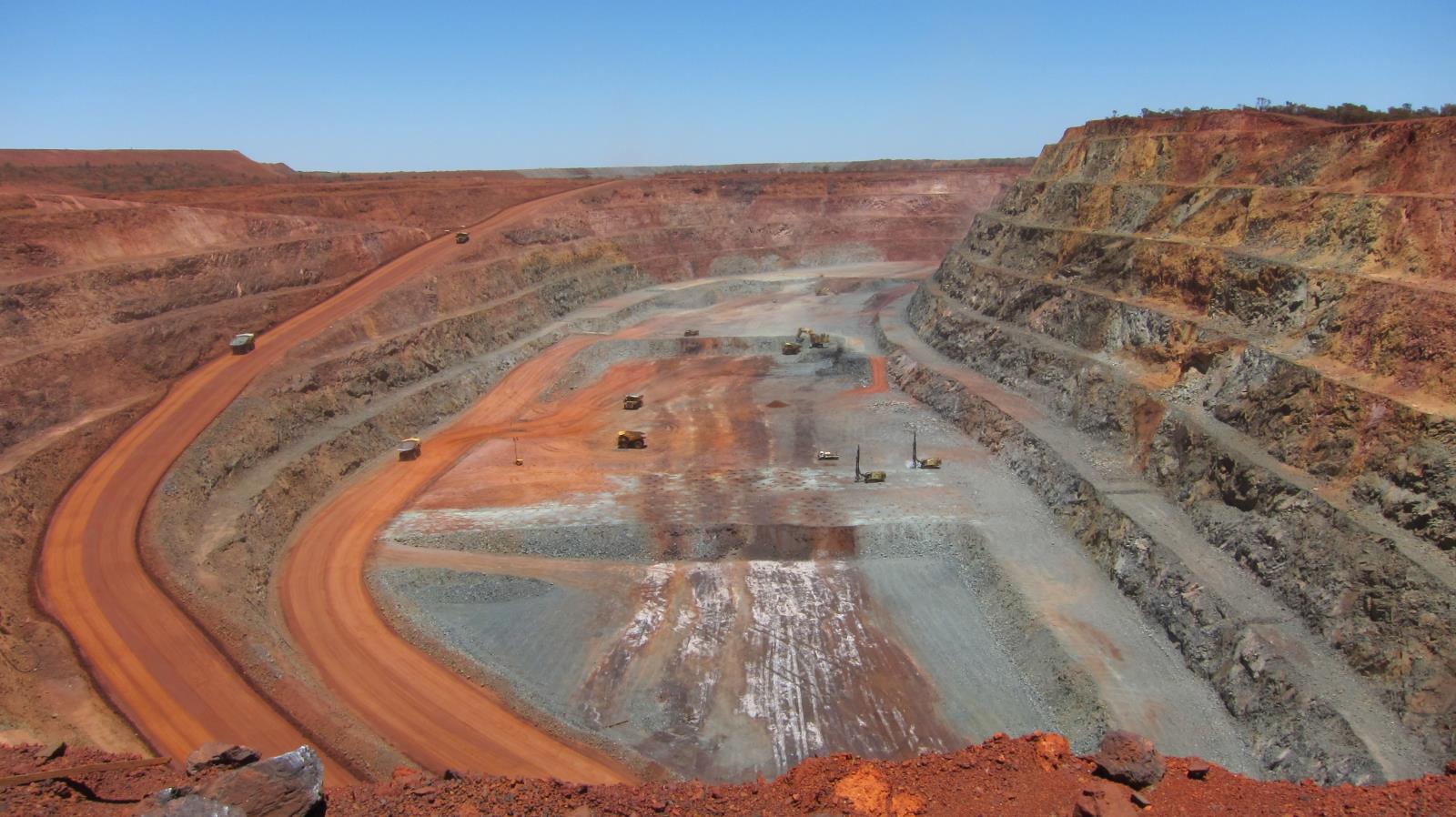
Ethiopia’s established primary gold mining sits in the Adola belt of the Guji Zone in southern Oromia, where the Lega Dembi and Sakaro deposits occur in Precambrian greenstone rocks of the Arabian–Nubian Shield. Artisanal workings in both alluvial ground and weathered hard rock are widespread across Oromia, Benishangul-Gumuz, Tigray and Gambella, and artisanal and small-scale miners supply much of the gold sold through official channels.
02 / MINING
The wider mining sector.
Beyond gold, the documented mineral base includes tantalum and lithium-bearing pegmatites in the Kenticha field of southern Oromia, potash and salt in the Danakil Depression of Afar, soda ash at Lake Abijata, opal in the Wollo highlands of Amhara, and industrial minerals such as limestone, gypsum and marble supplying domestic cement and construction. Power supply, road access and the distance to port at Djibouti shape project economics.
03 / OPPORTUNITIES
Where to explore potential.
Areas for technical assessment, subject to site verification and feasibility.
01
Trace gold to its bedrock source
Map and sample the greenstone belts of the Arabian–Nubian Shield where artisanal alluvial workings point to a primary source that has not been defined.
02
Support artisanal and small-scale operations
Assess recovery methods, mercury handling, site safety and rehabilitation alongside licensed cooperatives and regional mining offices.
03
Assess strategic and industrial minerals
Review the tantalum and lithium-bearing pegmatite belts and the Danakil evaporite basin against current processing, logistics and market conditions.
HOW GLOBAL MINO CAN HELP
Start with a clearer picture.
Geological review, exploration planning and technical assessment to help you understand your next step.
Country background is based on the sources below. Opportunity themes are proposed areas of assessment, not verified projects, available concessions or a statement of Global Mino ownership.